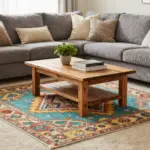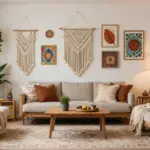
Layering rugs can completely transform your home and add that cozy vibe we all crave. When I think about how a simple area rug over carpet can breathe life into a room, I can’t help but feel inspired. This post is all about those ideas you didn’t know you needed! Whether you have a vintage carpet that’s seen better days or a modern style that needs a touch of warmth, these ideas will help you make the most of your space.
If you’re someone who loves home decor and enjoys a bohemian style, you’re in the right place. You might be looking for ways to protect your carpet while also making it look fabulous. Or perhaps you want to layer textures to create that inviting atmosphere. Whatever your goal, I’ve gathered 18 stunning ideas that are practical, stylish, and designed to enhance your cozy living spaces.
Get ready to explore a world where area rugs over carpet become your new favorite decorating trick. You’ll discover unique ways to play with patterns, embrace earthy tones, and even swap rugs for seasonal flair. Let’s dive into these creative ideas that will elevate your home and reflect your personal style!
Key Takeaways
– Layering rugs over carpet can protect your carpet while adding a stylish touch to your decor. It’s a smart way to enhance your living space without full carpet replacement.
– Explore patterns and textures. Mixing different designs and materials can create a visually appealing contrast that makes your room pop.
– Creating zones in a large space can help define areas like a reading nook or a dining area. Use different rugs to establish boundaries while keeping the flow of your home intact.
– Color coordination is key. Find rugs that complement or contrast with your existing carpet to achieve a harmonious look that feels intentional and stylish.
– Seasonal swaps can keep your decor fresh. Changing out area rugs regularly can reflect the time of year and your evolving taste while keeping your home feeling cozy and welcoming.
1. Play with Patterns
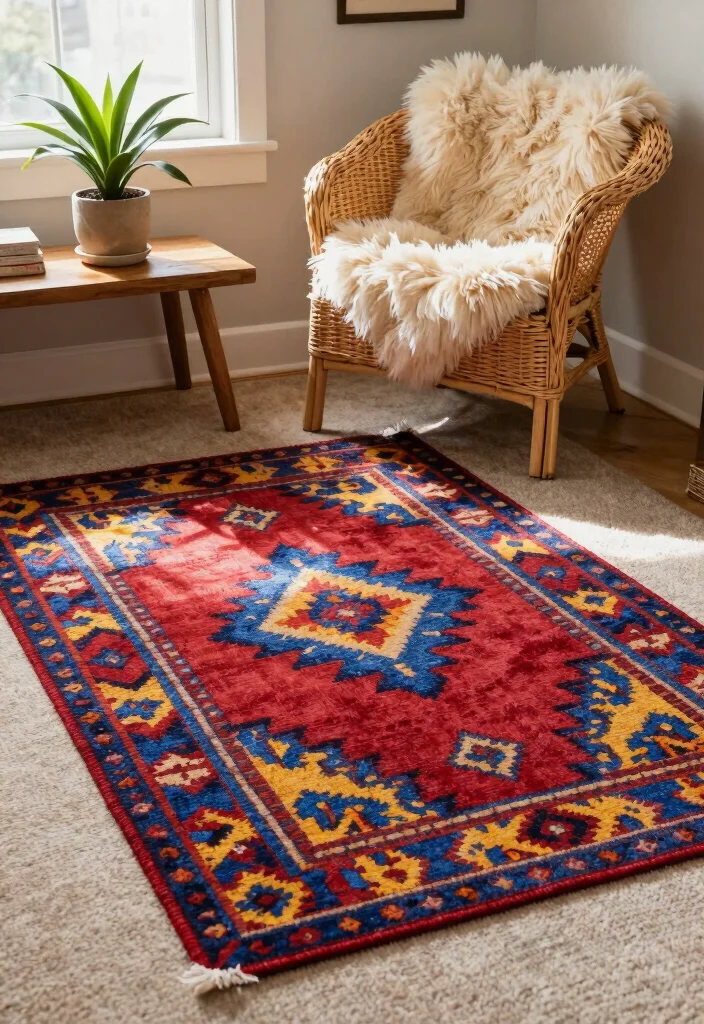
Exploring different patterns through layered rugs adds a delightful twist to your decor. A striking patterned area rug can beautifully contrast a more understated carpet, creating a vibrant visual narrative. For example, a solid carpet can be paired with a bold Persian or tribal-patterned rug, infusing your space with rich textures and colors. Mixing patterns may seem daunting, but as a general rule, stick to different yet complementary motifs to maintain harmony, like florals with stripes or geometric shapes.
To maximize this playful approach, consider these practical tips:
– Keep larger patterns beneath smaller ones to avoid visual chaos.
– Use a consistent color palette for a cohesive look.
– Experiment with textures by layering jute and plush fabrics for added depth.
This method not only enhances the aesthetics but also invites a dynamic feel into your space.
2. Create a Cozy Reading Nook
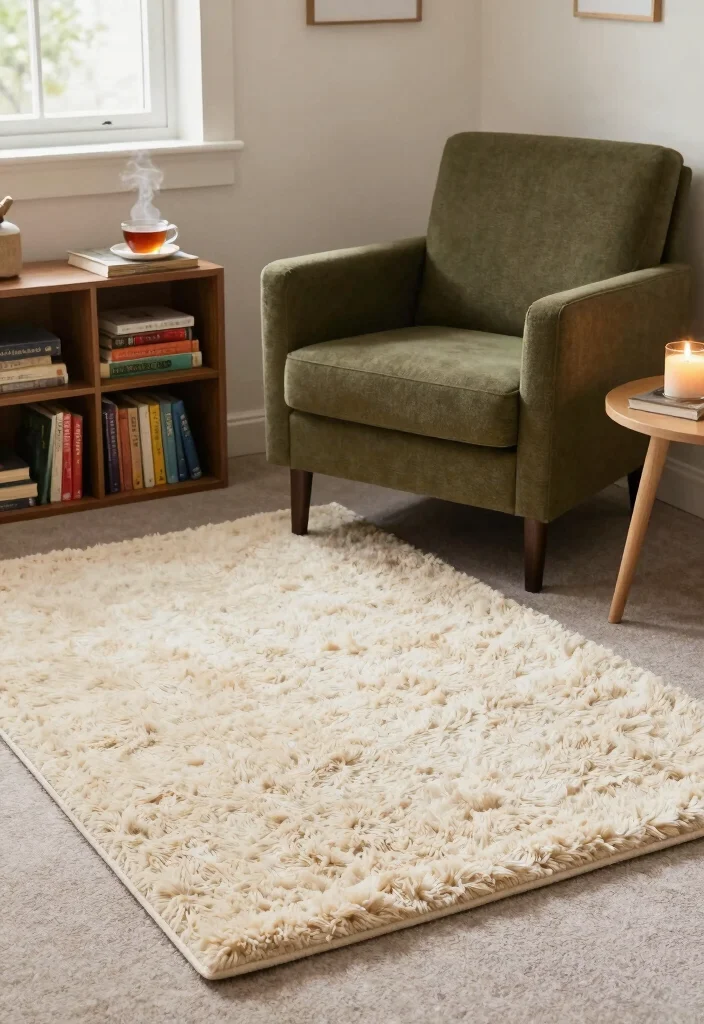
Transforming a corner into a cozy reading nook is an inviting way to layer rugs for comfort. Begin with a soft carpet as your foundation, then layer a plush area rug to create a warm retreat perfect for curling up with your favorite book. Add a comfy chair, a small bookshelf, and a side table for your tea or coffee, making the area inviting and stylish. A thick, shaggy rug atop a structured low-pile carpet invites you to sink in and relax.
Here are some tips for enhancing your nook:
– Include an array of pillows for extra comfort.
– Opt for warm, inviting colors to create a welcoming atmosphere.
– Incorporate soft lighting, such as a gentle floor lamp or fairy lights, to enhance the cozy vibe.
This layered approach not only fosters relaxation but also elevates the overall charm of your reading space.
3. Embrace Earthy Tones
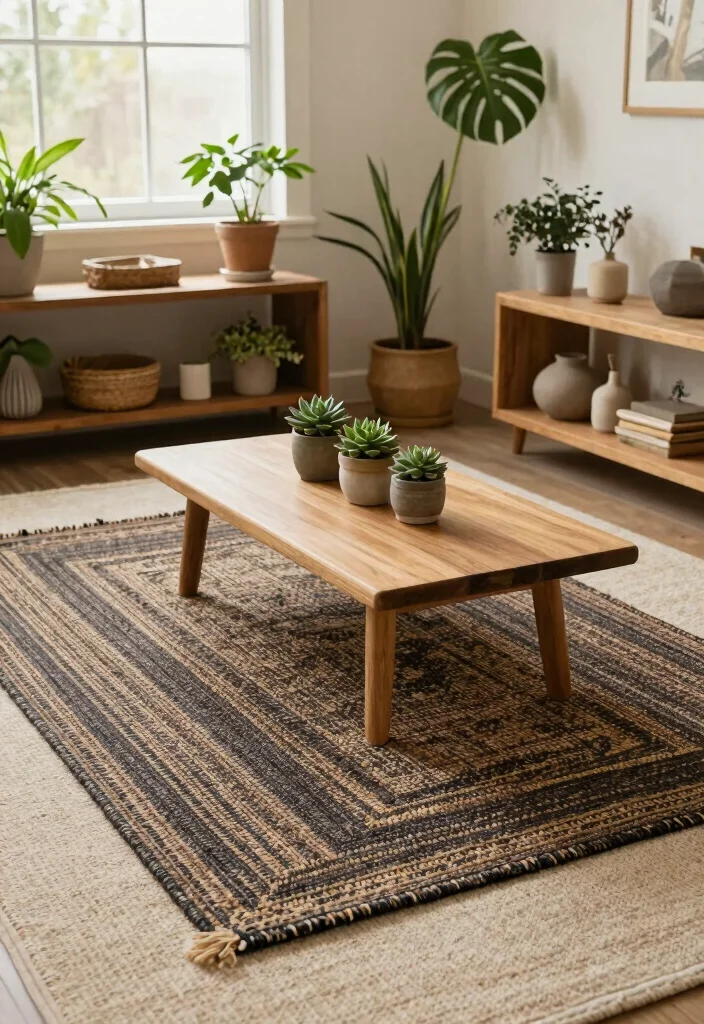
Embracing earthy tones in your decor creates a serene and grounded atmosphere. Start with a neutral carpet and layer an area rug in rich browns, rusts, or deep greens to enhance that organic vibe. Consider natural materials like jute or sisal for the area rug, which not only adds texture but also durability. The combination of these warm hues and natural fibers invites a cozy ambiance, making your space perfect for unwinding after a long day.
To effectively layer these tones, consider:
– Pairing a light beige carpet with a dark jute rug.
– Using nature-inspired decor, like wooden furniture or houseplants, to complement the palette.
– Keeping decorative elements minimal to allow the rugs and natural textures to shine.
This approach fosters a tranquil environment, perfect for relaxation and connection with nature.
4. Layer with Texture
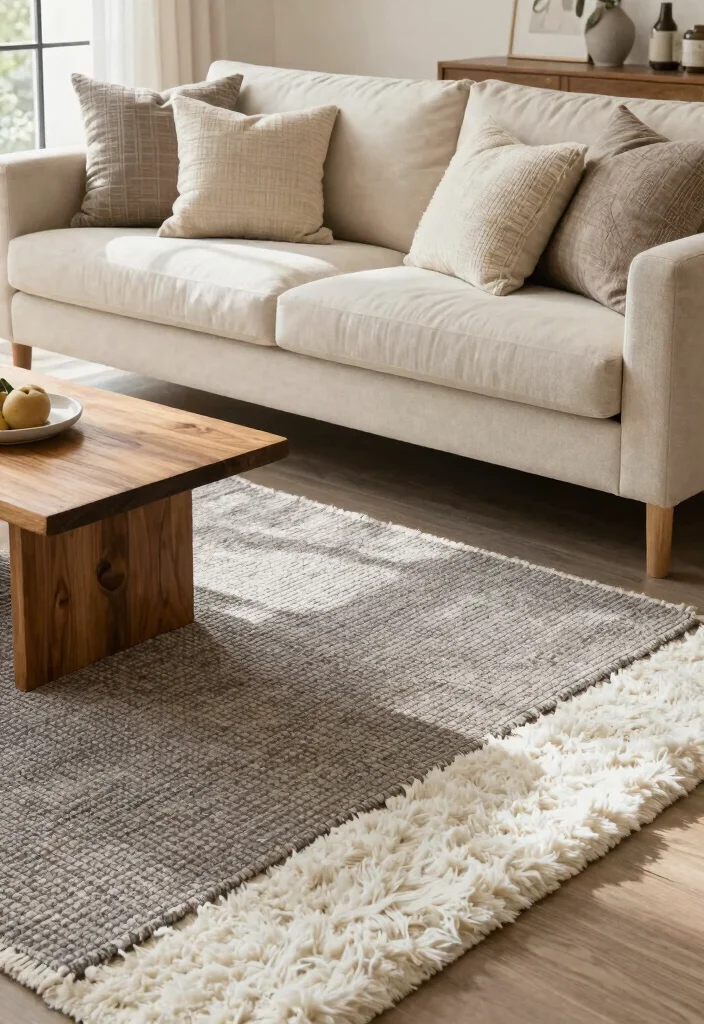
Texture is key when it comes to creating an engaging layered rug setup. Start with a flat-woven carpet for a solid base, then layer on a plush, fluffy area rug to add richness. Mixing materials like wool, cotton, or knotted rugs can create depth and tactile interest. This layering technique not only invites guests to experience the varying textures but also visually balances the room with both smooth and rough surfaces.
Enhance your space with these texture tips:
– Combine a cotton flatweave with a soft shag for contrast.
– Avoid overly busy patterns; focus on the textures themselves.
– Choose colors that work in harmony, as monochromatic schemes often yield the best results.
This layering approach invites a sophisticated yet cozy vibe into your home.
5. Use Oversized Rugs
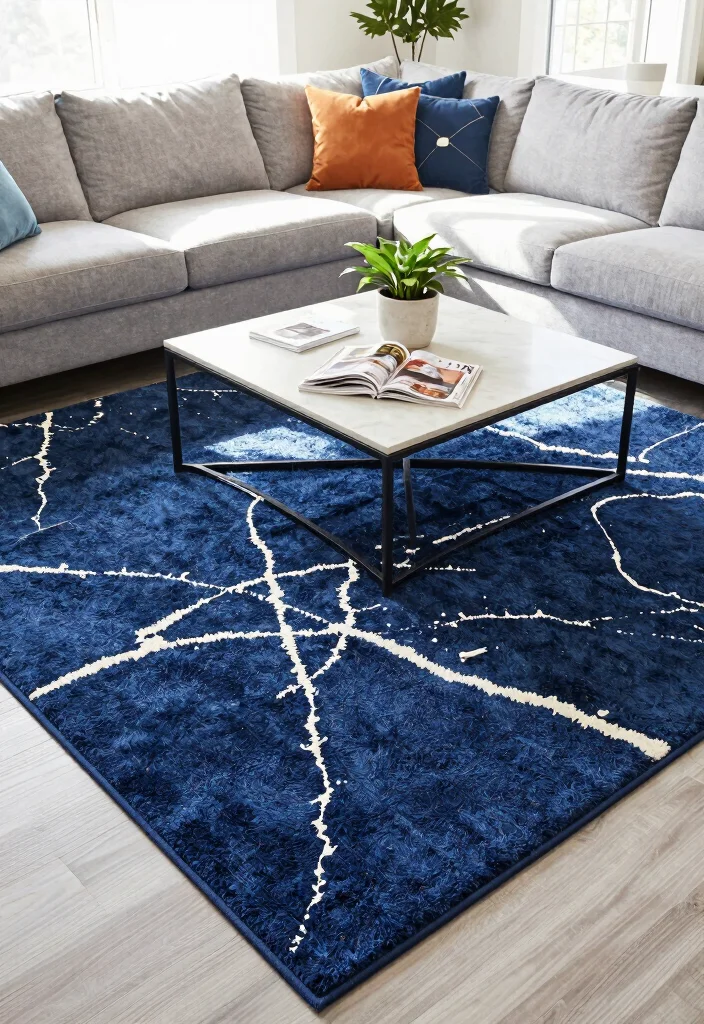
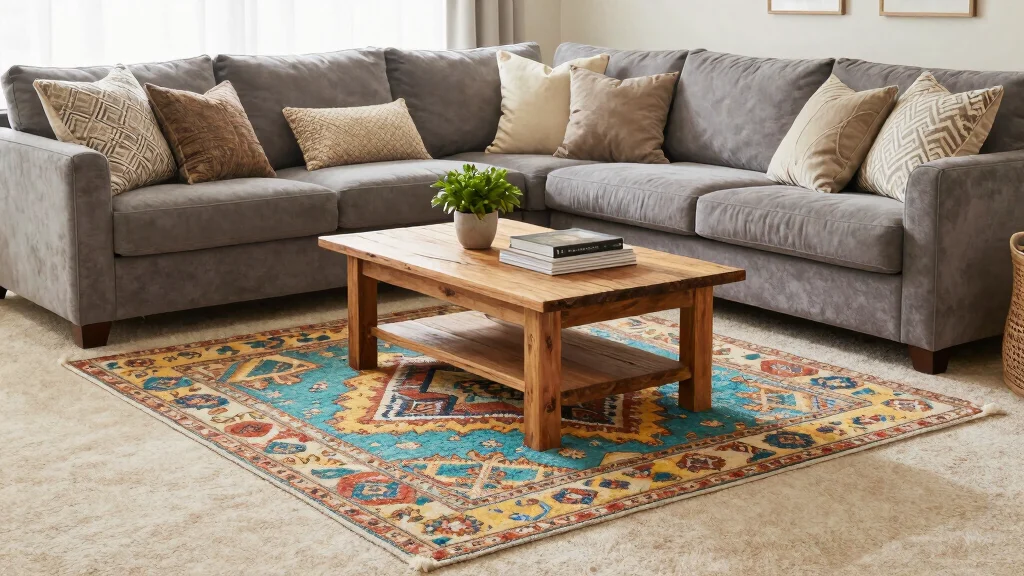
Oversized rugs can transform your space with a dramatic flair when layered over carpets. Instead of standard sizes, opt for a larger area rug that extends beyond your furniture, tying the room together and creating an illusion of spaciousness. For example, a dark rug can beautifully contrast a light carpet, forming a stunning focal point in your living area. This technique is especially effective in large rooms where you want to delineate zones without sacrificing openness.
Consider these oversized rug tips:
– Ensure the design aligns with your decor to avoid clashing.
– Use oversized rugs to anchor key furniture pieces like sofas or coffee tables.
– Experiment with a lighter rug on a darker carpet for a balanced aesthetic.
This method enhances visual cohesion and anchors your decor beautifully.
6. Go for Color Coordination
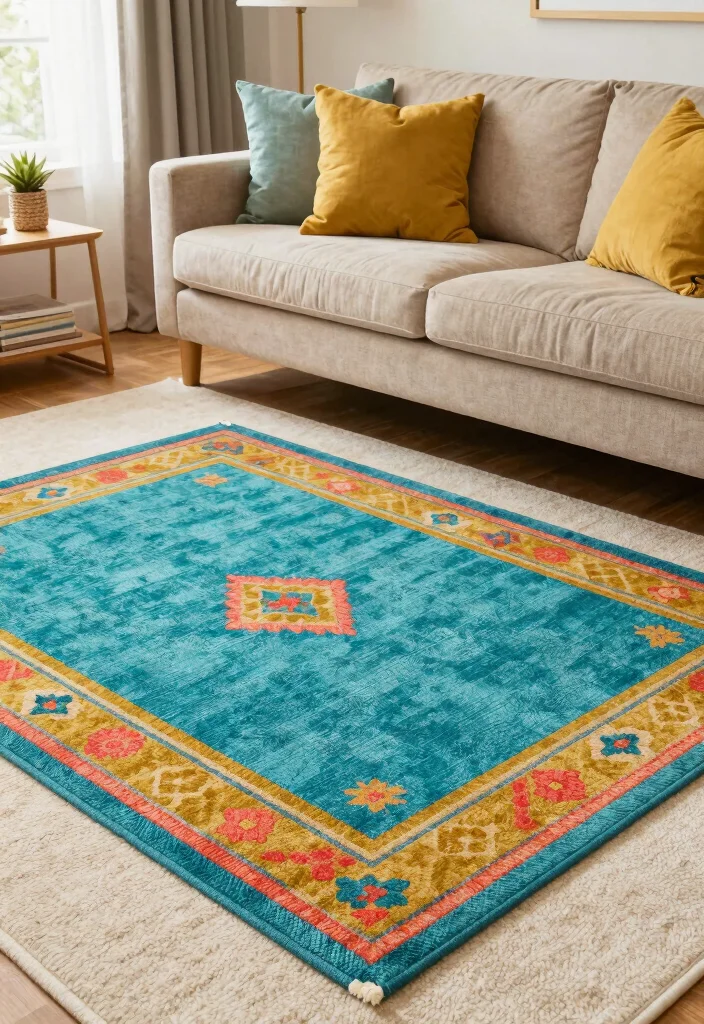
Layering area rugs over carpet opens up exciting opportunities for color coordination. Choose a rug that incorporates existing colors from your decor, like throw pillows, artwork, or curtains, to create a unified look. This strategy not only enhances vibrancy but also brings a sense of meticulous planning to your space. With the right color choices, your layered design can elevate the overall aesthetic effortlessly.
For effective color coordination, try:
– Using a color wheel to identify complementary shades.
– Exploring various shades of a single color for cohesion.
– Embracing bold colors while keeping surrounding decor simple.
This approach makes your space feel lively and thoughtfully curated.
7. Create Zones
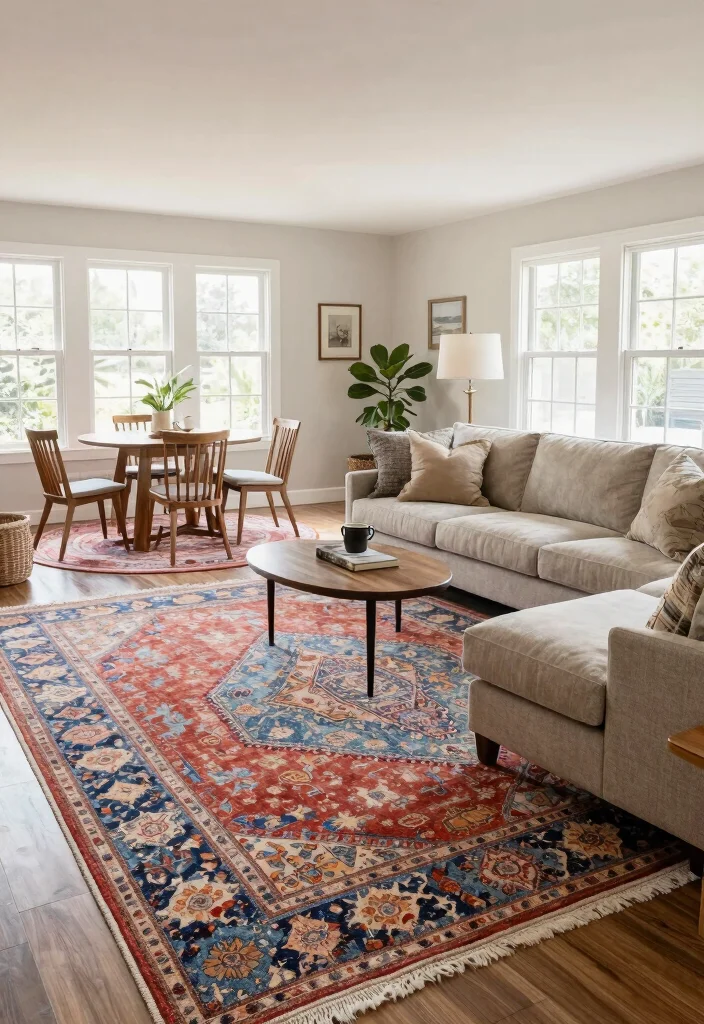
Layering area rugs is an excellent technique for establishing distinct zones in open floor plans. For instance, you can designate a cozy conversation area by layering a rug beneath a coffee table and sofa. This method visually separates spaces while adding depth and intrigue to your decor. By using various shapes, sizes, and styles of rugs, you can effectively define areas such as a reading nook, dining area, or entertainment zone while maintaining an open feel.
To create zones seamlessly, consider:
– Choosing rugs that share color or texture for cohesion.
– Utilizing different shapes for each area, like rectangles for one space and rounds for another.
– Layering in unexpected spots, such as hallways, to define pathways.
This strategy enhances your space’s functionality while adding a stylish touch.
8. Add a Playful Touch
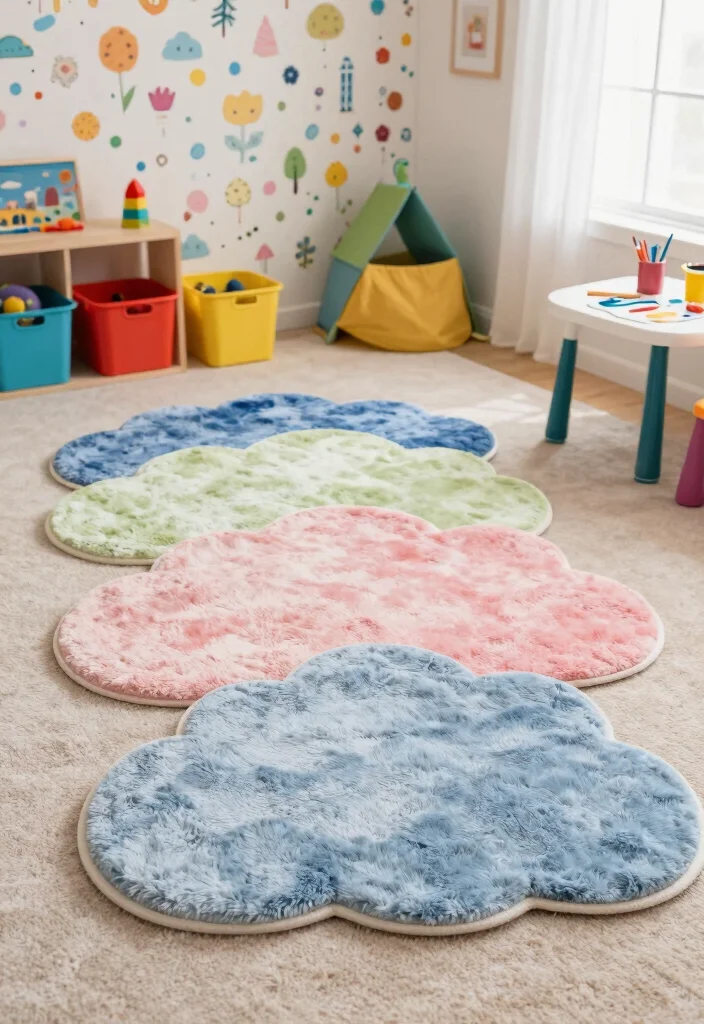
Layering area rugs can inject a sense of playfulness into your home, especially in children’s rooms or fun spaces like game rooms. Select vibrant colors and whimsical patterns that inspire joy and creativity. For instance, a plush rug shaped like a cloud or animal can sit atop a more traditional carpet, creating a delightful atmosphere. Such playful rugs not only add comfort but also spark conversations among guests.
To embrace this playful aesthetic, consider:
– Incorporating age-appropriate designs for kids’ areas.
– Keeping surrounding decor simple to let the rug shine.
– Layering in unexpected locations, like hallways or play areas, to spread joy throughout your home.
This method creates an inviting and lively environment for all ages.
A playful space starts with an area rug over carpet—layer color, pattern, and texture until the room feels joyful. Let a cloud-shaped or animal rug sit atop a traditional carpet to spark conversations and inspire creativity.
9. Utilize Runner Rugs in Hallways
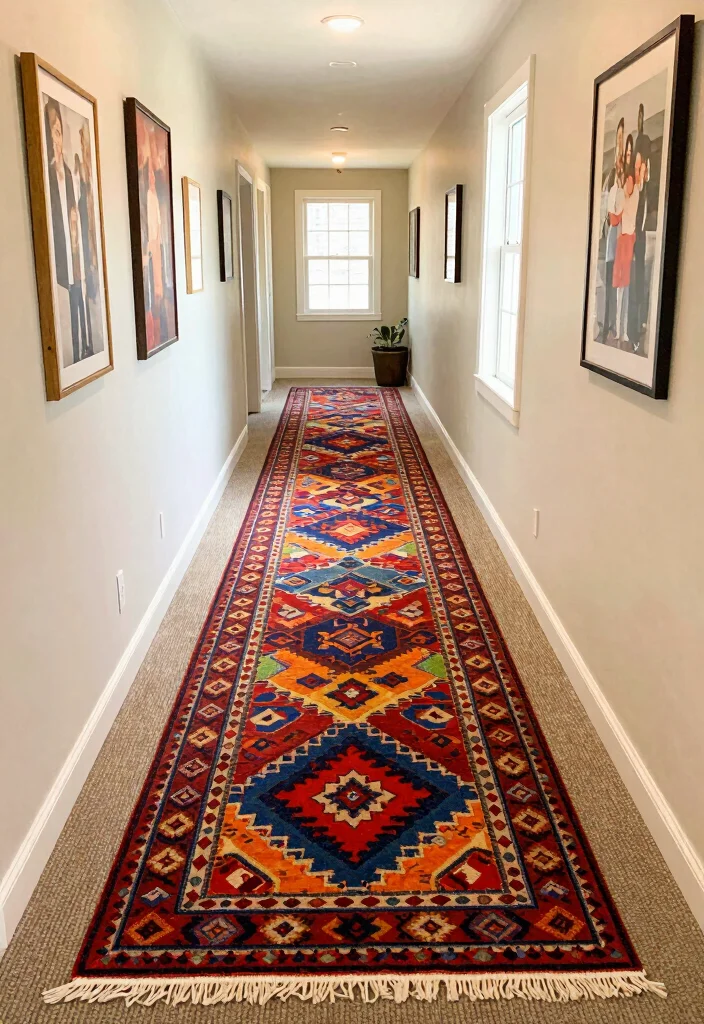
Runners are a fantastic way to layer rugs in hallways and narrow spaces. A stylish runner can add an appealing visual connection between rooms while enhancing the overall aesthetic. Layer a runner over a neutral carpet to enrich the space without overwhelming it. Select a runner featuring a striking pattern or color to make a statement, ensuring it complements the surrounding decor.
Consider these tips for effective runner usage:
– Opt for non-slip pads underneath to prevent slipping.
– Choose a runner that aligns with the colors or theme of adjacent areas.
– Layer rugs to visually define the width and interest of hallways.
This technique enhances flow and adds character to your home.
Dimensions & Size Guide
Standard Sizes & Measurements:
When choosing an area rug to layer over carpet, knowing standard sizes can help you make the best choice for your space. Common area rug sizes include 5×8 feet, 8×10 feet, and 9×12 feet. Each size works best for different room setups.
For a cozy living space, an 8×10 rug typically fits well under a coffee table, allowing for a balanced look. If you’re creating a reading nook, a smaller 5×8 rug can help define the area without overwhelming it. Always aim for at least 18 inches of carpet showing around the rug edges for a harmonious balance.
Quick Reference Table:
Size/Dimension – Best for: [use case], Minimum space needed: [measurement]
– 5×8 feet – Great for small bedrooms or reading nooks, Minimum space needed: 6×9 feet
– 8×10 feet – Ideal for living rooms under coffee tables, Minimum space needed: 9×12 feet
– 9×12 feet – Works well in dining areas or larger living spaces, Minimum space needed: 10×14 feet
Space Planning Tips:
1. Measure Twice: Always measure the space where you plan to place your rug. This ensures a perfect fit! 🚀
2. Visualize with Tape: Use painter’s tape to outline the area where the rug will go. This gives you a clear idea of how the dimensions will look in your room. ✔
3. Consider Furniture Placement: Make sure the rug extends under key furniture pieces. This creates a more cohesive look. Avoid having just the front legs of your sofa on the rug; it can seem awkward. 💡
4. Think About Traffic Flow: Make sure there’s enough space around the rug for people to walk comfortably. Avoid placing large rugs in tight areas. ⏱
5. Watch Out for Size Conflicts: A common mistake is choosing a rug that’s too small. Be sure the size complements your furniture layout instead of competing with it!
Pro Tip: The most important measurement to remember is the spacing between your rug and the walls. Ideally, aim for 18 to 24 inches of exposed carpet around the edges. This creates an inviting look and ensures the area rug acts as an anchor for your space!
10. Contrast Light and Dark
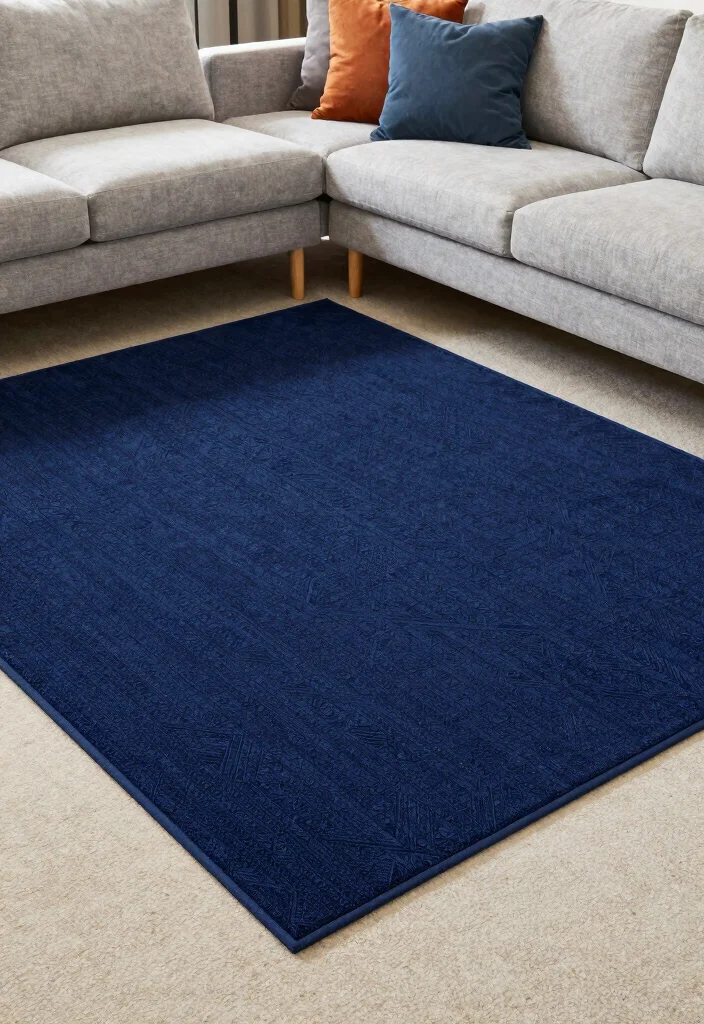
Creating contrast is one of the most striking ways to layer area rugs over carpet. A dark, rich area rug on a lighter carpet instantly draws attention and adds depth to the room. For instance, a deep blue or charcoal rug can become a captivating focal point against a light cream carpet, enhancing your overall interior design. This bold choice elevates the atmosphere while maintaining a cozy feel.
To maximize contrast, try:
– Experimenting with various shades to find the right balance.
– Using neutral furniture to let the rugs stand out.
– Layering contrasting textures for added visual interest.
This method not only enhances your decor but creates a dynamic environment.
11. Enhance with Vintage Finds
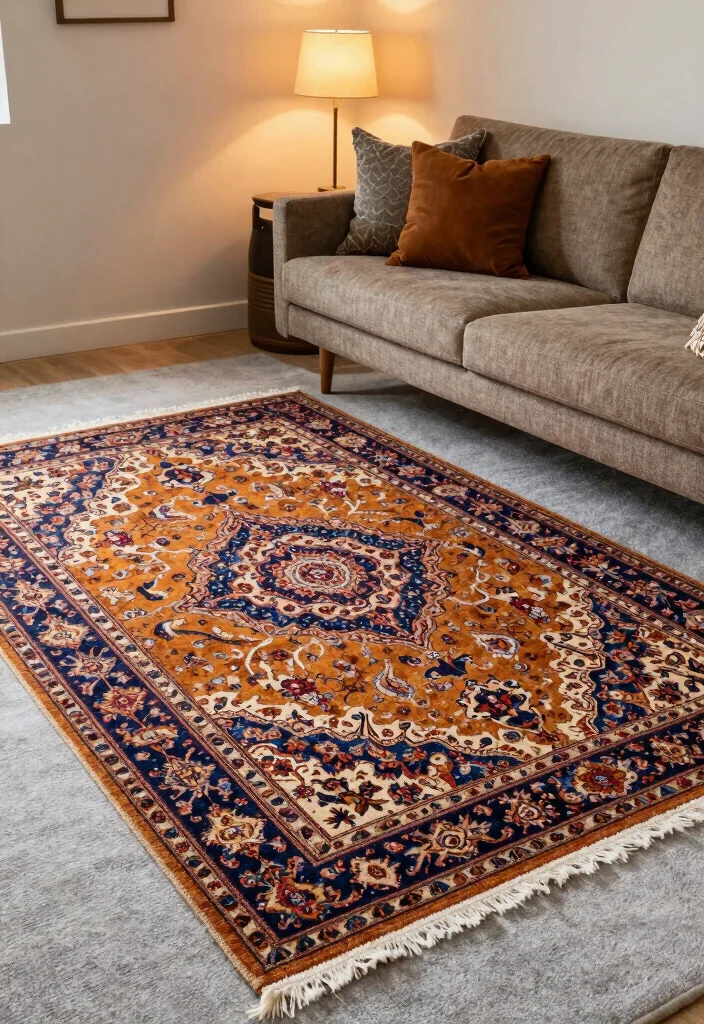
Incorporating vintage rugs over carpets can infuse your space with unique character and history. Vintage pieces often showcase intricate designs and rich colors that elevate your decor. Layer a vintage Persian rug atop a simple carpet to allow its beauty to take center stage. The key is to select a rug that complements your home’s existing color scheme and style for a cohesive look.
To effectively incorporate vintage finds, consider:
– Searching for authentic pieces at thrift stores or online platforms.
– Combining vintage rugs with contemporary furniture for a striking contrast.
– Choosing a backing or pad to protect the rug and reduce wear.
This method adds warmth and nostalgia, enhancing the overall ambiance of your space.
12. Layer for Functionality
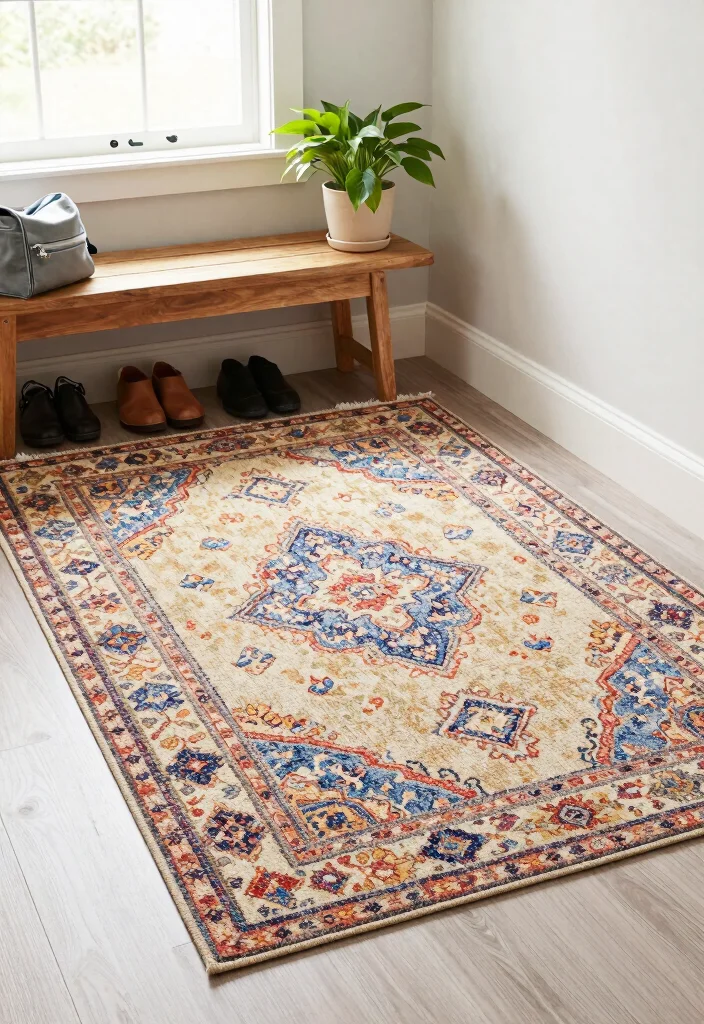
Layering rugs can provide practical benefits beyond aesthetics. For instance, pairing a durable outdoor rug with an indoor carpet can protect the underlying carpet from spills and wear, especially in high-traffic areas. Outdoor rugs are resilient, adding a splash of color while being functional for daily use. Choose a style that fits your decor while catering to practical needs.
Enhance your space with these functional tips:
– Select easy-to-clean outdoor rugs for busy areas.
– Choose textures that are low maintenance.
– Ensure the outer rug complements the overall color scheme of the room.
This strategy balances beauty and practicality in your home.
Fun fact: an area rug over carpet can cut wear in high-traffic zones by up to 40% while adding color. Practical, stylish, and surprisingly versatile for everyday living.
13. Mix and Match Shapes
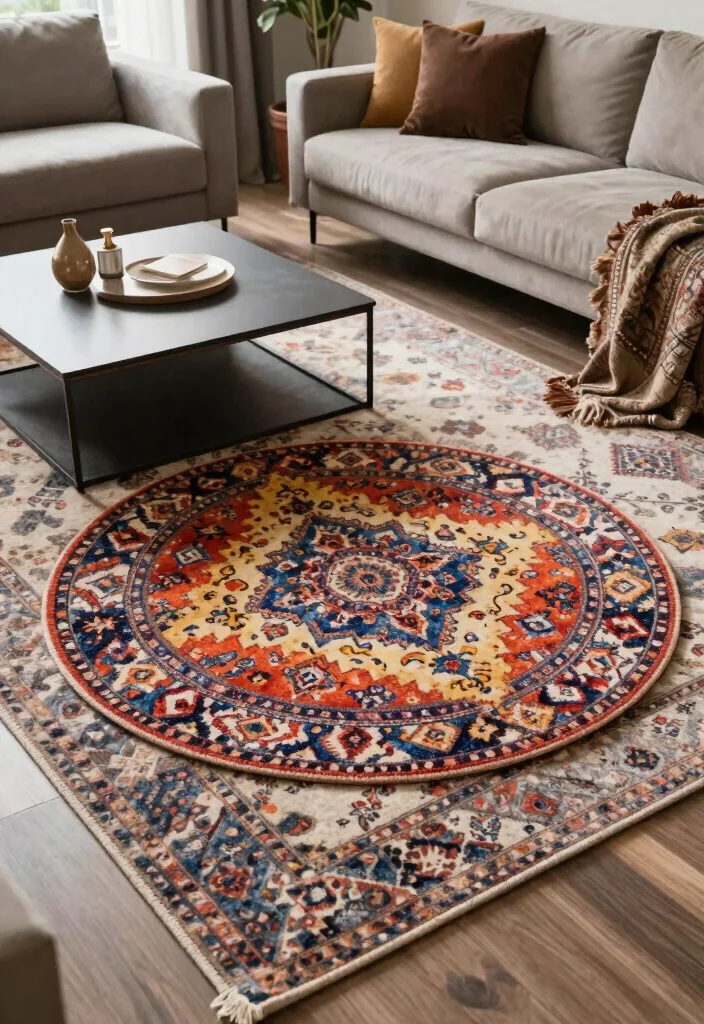
Don’t hesitate to mix and match shapes when layering rugs! Combining round and rectangular rugs creates a visually intriguing layout. For example, placing a round rug atop a rectangular carpet can break monotony and add depth to your decor, especially in corners or open areas. Experimenting with shapes can also highlight specific spots in your room, such as a coffee table or seating arrangement.
For effective shape mixing, consider:
– Ensuring shapes complement each other in color and style.
– Using rugs proportional to your furniture layout for visual balance.
– Layering shapes in unexpected ways to create a playful design.
This approach adds dynamism and creativity to your space.
Fun fact: mixing round and rectangular shapes adds depth to any room. Placing a round rug over a rectangular carpet creates contrast that guides the eye, making the area rug over carpet setup feel larger and more intentional.
14. Highlight a Focal Point
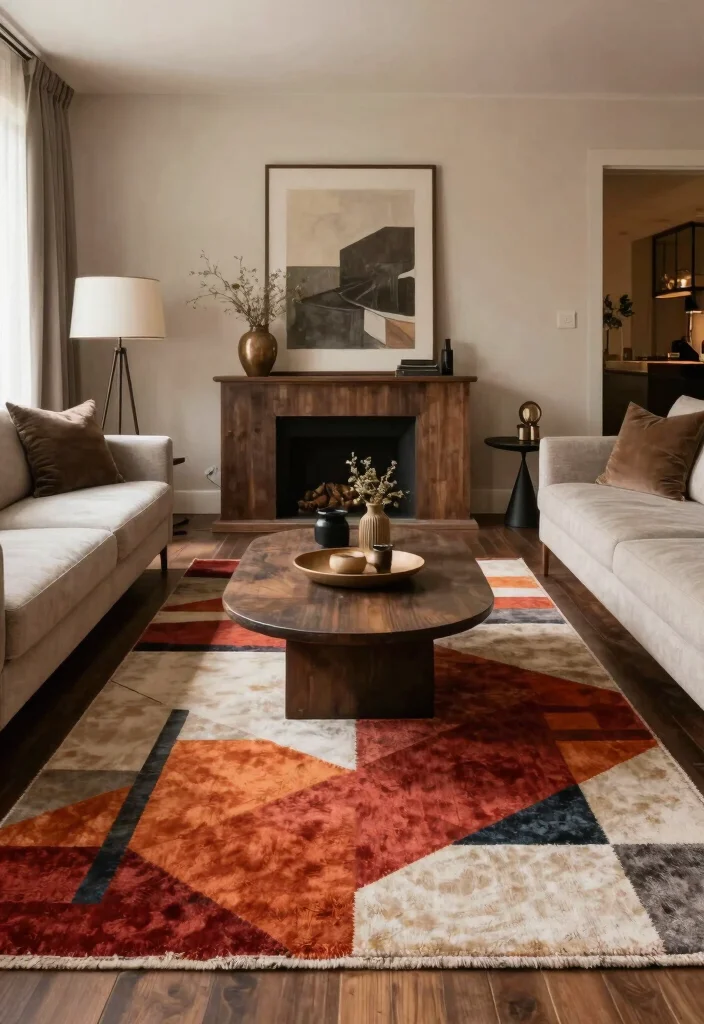
Layering area rugs can effectively highlight a room’s focal point. If you have a stunning piece of furniture or a unique architectural feature, use layered rugs to draw attention to it. For example, place an area rug under a prominent coffee table or a striking piece of art to create a visual anchor in the space. This technique balances the decor while ensuring your focal point stands out.
To enhance your focal point, consider:
– Choosing rugs that complement the color palette of the focal item.
– Keeping surrounding decor minimal to avoid distractions.
– Using multiple layers to add depth without overwhelming the main feature.
This method beautifully emphasizes key elements in your decor while maintaining harmony.
15. Seasonal Swaps
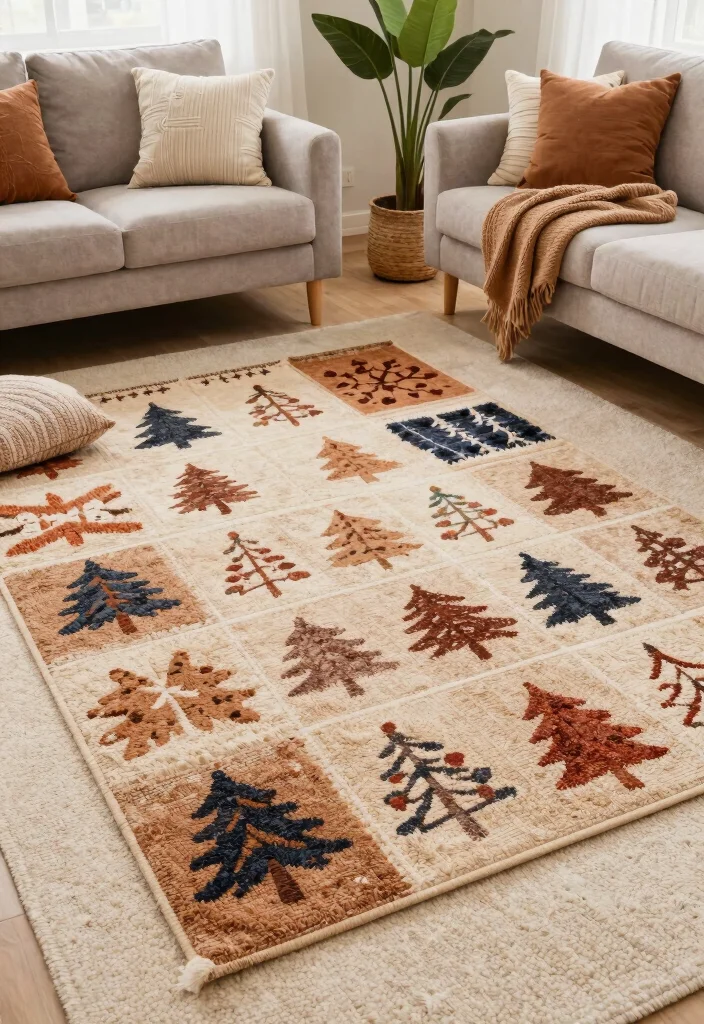
Layering rugs allows for delightful seasonal swaps! As the seasons change, you can effortlessly refresh your decor by changing area rugs to reflect the mood. For example, a warm, textured rug for winter can be replaced with a light, bright one for summer, keeping your space feeling fresh and aligned with nature’s cycles. This approach adds a fun element of surprise without requiring a complete overhaul, allowing you to maintain the base carpet with ease.
For successful seasonal swaps, try:
– Selecting versatile rugs that transition well between seasons.
– Storing off-season rugs properly to maintain their quality.
– Incorporating seasonal decor elements like plants or throws to enhance rug changes.
This method keeps your home feeling vibrant and dynamic throughout the year.
16. Layer for Sounds Dampening
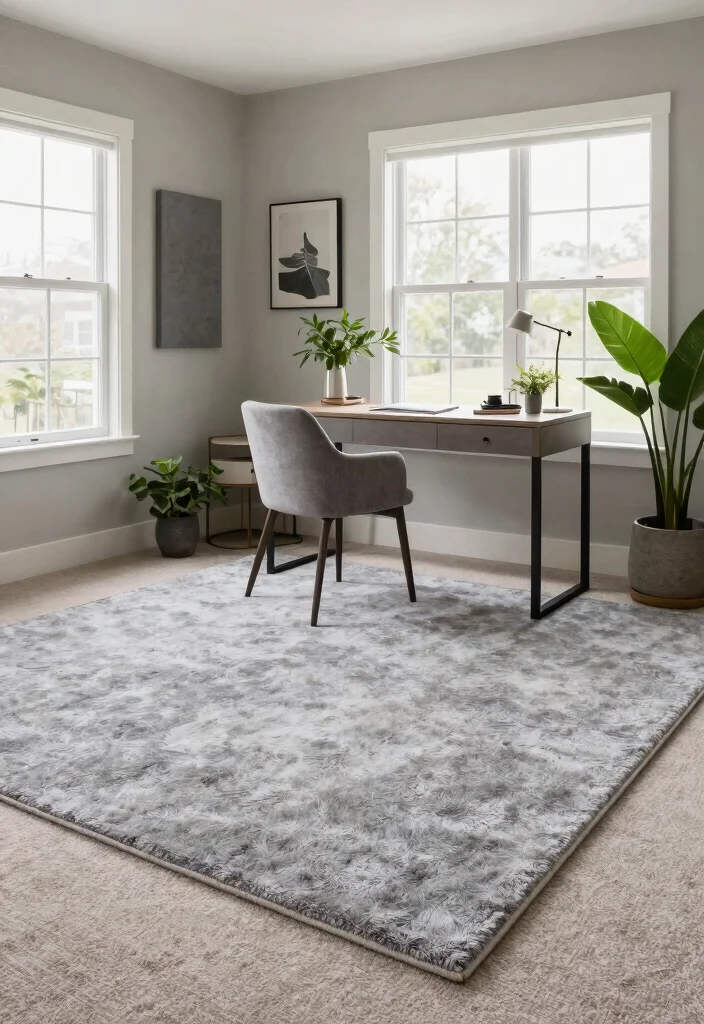
Layering area rugs over carpets can also contribute to sound dampening, a valuable yet often overlooked benefit. Soft materials absorb sound, making your space quieter and more serene. This is particularly beneficial in apartments or busy households where noise can be an issue. Layering rugs can enhance the tranquility of your rooms, creating a comfortable sanctuary for relaxation or productivity.
To optimize sound dampening, consider:
– Choosing thicker rugs for maximum sound absorption.
– Positioning rugs in key areas like living rooms or home offices for the best effect.
– Pairing with heavy drapes or curtains for a serene environment.
This approach not only enhances comfort but also elevates the overall ambiance of your home.
17. Elevate with Layered Textures
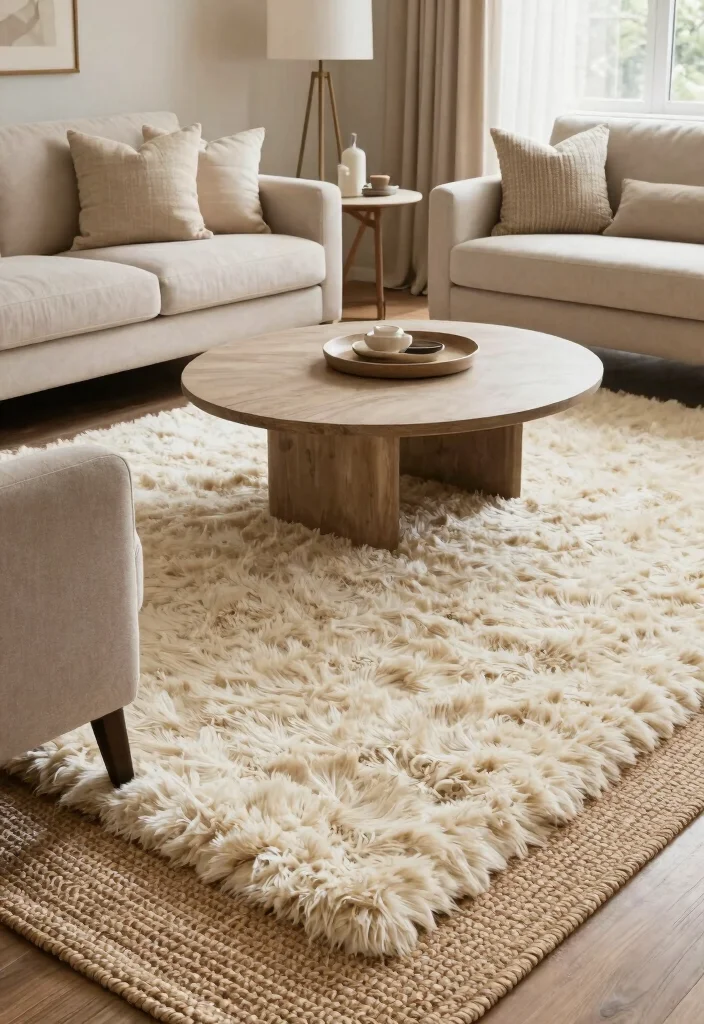
Incorporating diverse textures in layered rugs can significantly elevate your decor’s overall style. Combining soft, fluffy rugs with flat weaves creates a rich, inviting atmosphere. Different textures invite tactile interest, making your space feel cozy and welcoming. Don’t hesitate to experiment; for example, layering a fluffy shag rug over a tightly woven jute rug creates a stunning contrast that feels luxurious yet approachable.
To enhance your decor with texture, try:
– Opting for various fibers like wool, cotton, and synthetics for diverse textures.
– Maintaining a cohesive color palette to avoid visual chaos.
– Using texture layering as an opportunity to showcase specialty rugs from different cultures.
This method introduces a sophisticated touch to any design style while enhancing comfort.
18. Embrace Personal Style
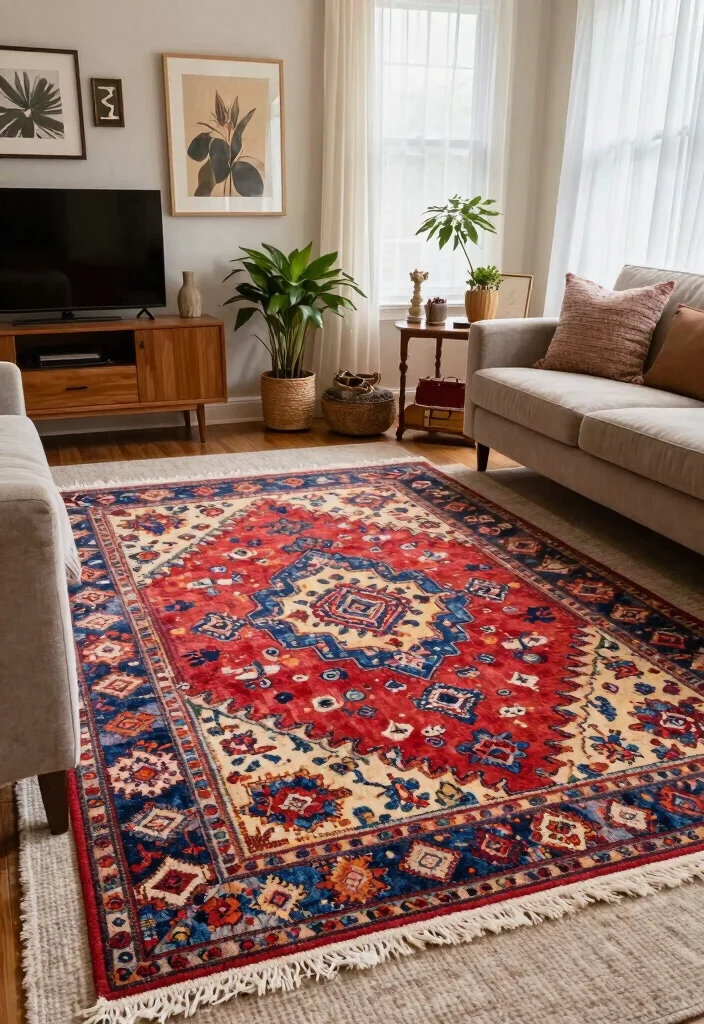
Ultimately, layering rugs is an opportunity to express your personal style. Incorporate pieces that resonate with your taste, whether it leans bold, minimalist, vintage, or eclectic. Your home should serve as a canvas for your personality, and layered rugs offer an excellent way to elevate that expression. Choose rugs that evoke joy and complement your decor, mixing styles to create a curated collection that tells your unique story.
To embrace your personal style, consider:
– Trusting your instincts when selecting colors and patterns.
– Including pieces with sentimental value or stories to share.
– Ensuring the overall look feels balanced and intentional.
This approach allows you to create a layered design that feels authentically you, enhancing the warmth and character of your home.
Conclusion
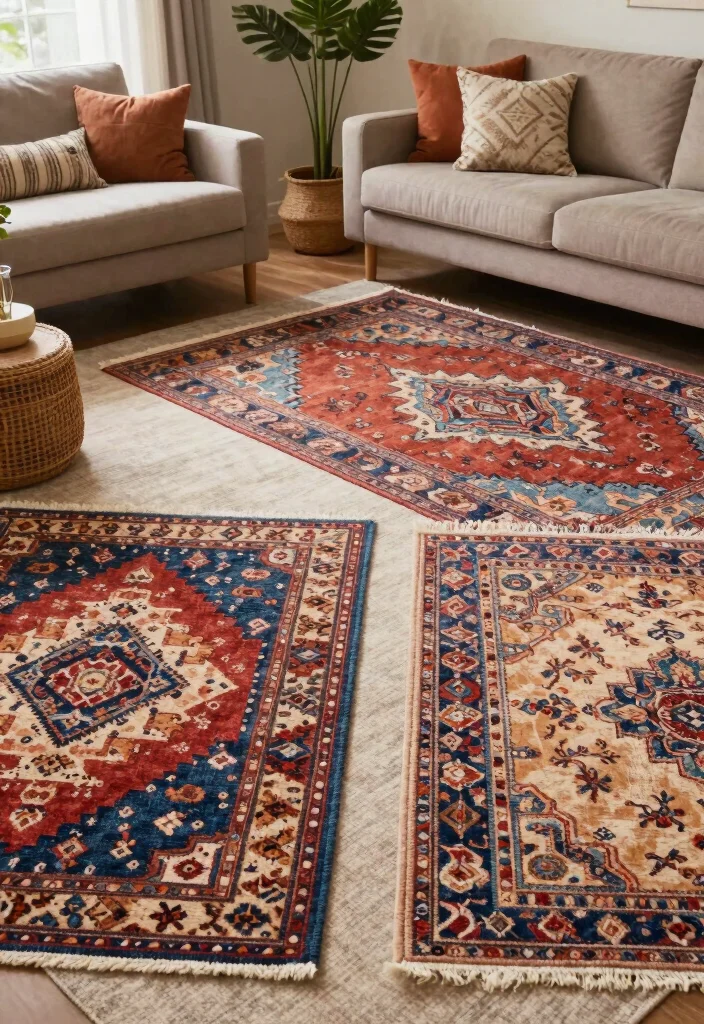
Layering area rugs over carpets opens up a world of design possibilities, allowing for cozy, inviting spaces filled with personality. Each rug adds warmth, texture, and a sense of style that can transform your home. Don’t hesitate to experiment with different colors, patterns, and styles to create a look that resonates with your unique taste.
With these tips in hand, you can create layered looks that elevate your decor while enhancing comfort and functionality. Enjoy the creative journey of making your space truly your own!
Frequently Asked Questions
What makes an area rug over carpet look stylish without damaging the carpet?
Layering a rug over carpet can be stylish while protecting your floors when you plan correctly. Start with a thin, non-slip rug pad designed for carpet to prevent sliding and fiber compression. Choose a low-pile or flat-weave rug that sits flat against the carpet and won’t trap moisture. Position the rug so it frames the seating area and leaves some carpet visible around the edges for depth. For carpet protection ideas, avoid dragging heavy furniture across the rug and rotate the rug every few months to prevent wear. With these steps, your area rug over carpet setup stays vibrant and safe.
How can you layer rugs on carpet to achieve a Bohemian, cozy living space?
Layering rugs on carpet is a great way to add texture and warmth in a Bohemian style. Start with a large base rug that sits flat (jute or sisal works well) to anchor the space. Add a smaller patterned rug on top to create visual interest and a sense of depth. Mix textures like wool, kilim, and cotton, and keep the top rug slightly smaller so the base shows around the edges. Use a low-pile top rug or a padded underlay to prevent slipping. This approach delivers interior design inspiration for cozy living spaces and feeds your love of layering rugs.
What rug sizes and textures work best when layering rugs over carpet?
In layering over carpet, size and texture matter more than color alone. Start with a substantial base rug—about 8×10 or 9×12—to ground the space. Add a second rug in a contrasting texture or pattern (for example, a kilim or flat-weave rug) around 5×8 or 6×9 for visual interest. Make sure both rugs lie flat by using a thin, breathable rug pad designed for carpet. Leave a border of carpet visible around the edges to frame the arrangement. This approach helps achieve a balanced area rug over carpet look that’s comfortable and practical.
What are carpet protection ideas to consider when adding a rug over carpet?
Protecting your carpet starts with the right grip and backing. Use a non-slip rug pad designed for carpet or a breathable felt underlay to minimize bunching and fiber wear. Choose rugs with lightweight or smooth backings to reduce snagging. Anchor the rug with furniture, and avoid dragging pieces across the surface. Clean spills promptly and rotate rugs every few months to distribute wear evenly. These carpet protection ideas help keep both rug and carpet looking fresh.
Where can I find interior design inspiration for layering rugs and creating cozy living spaces?
Great ideas start with a little inspo. Look to mood boards, Bohemian-inspired rooms, and real-room tours for interior design inspiration. Save setups that show layering rugs creating depth and warmth in cozy living spaces. Then translate those concepts into your space by testing color stories, textures, and scale, and adjusting lighting and accessories for the final touch. With practical steps, you’ll turn inspiration into a beautiful area rug over carpet display.
Related Topics
home decor
layering rugs
bohemian style
cozy living spaces
area rug over carpet
carpet protection
interior design inspiration
textured layers
easy styling tips
decor trends
beginner friendly
living room ideas